

Vitamin D deficiency, symptoms, causes, and treatments
Vitamin D deficiency
We say that a person has vitamin D deficiency when the level of vitamin D in the body becomes too low, which leads to thin, brittle and deformed bones, so when you find that you are getting less than the recommended amount by doctors, we recommend that you expose yourself to sunlight to make up the difference.
What are the symptoms of vitamin D deficiency?
- Feeling overwhelmed
- Muscle and organ pain
- Autoimmune diseases such as multiple sclerosis and arthritis
- Osteoporosis
- Development of heart disease, high blood pressureand heart attacks
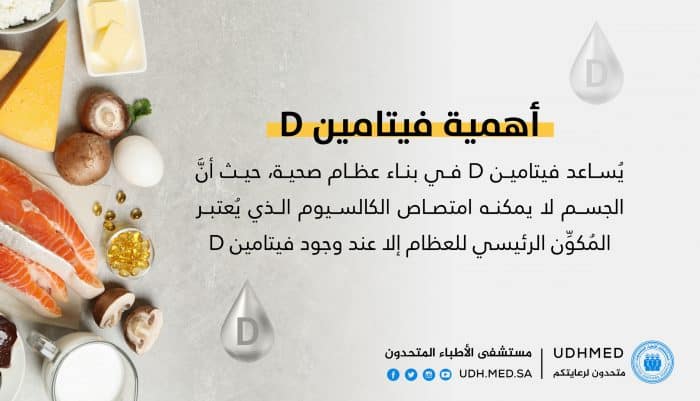
Causes of vitamin D deficiency
- Not taking the recommended levels of vitamin D
- Limited sun exposure
- Residential accommodation in areas not exposed to the sun
- Use sunscreen consistently
- Darker-skinned people are more likely to have vitamin D deficiency
- Inability of the kidneys to convert vitamin D into its active form
- Vitamin D malabsorption
- obesity
Complications of vitamin D deficiency
- Osteoporosis
- Pediatric rickets
- High blood pressure
- Migraine
- Risk of death from cardiovascular disease
- Cognitive impairment in the elderly
- Severe asthma in children
- Cancer
- Depression
3 factors that may help reduce the incidence of the disease
- Permanent sun exposure
- Eat plant and animal foods that contain vitamin D
- Getting vitamin D tablets or injections under a doctor’s supervision
When do you need medical help?
- If you don’t spend a lot of time in the sun
- If you permanently cover your skin with sunscreen that prevents the production of vitamin D
- If you have risk factors for vitamin D deficiency
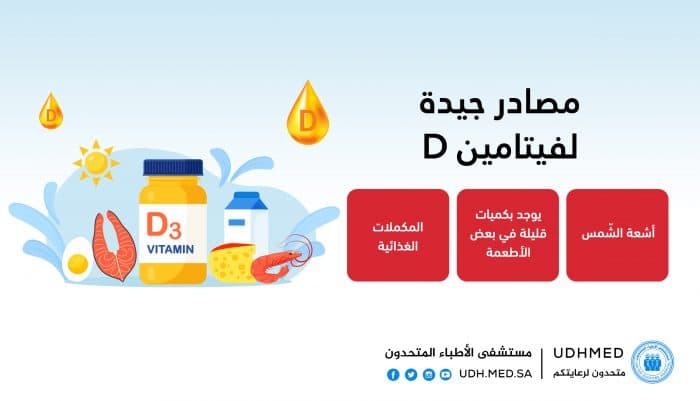
How is vitamin D deficiency diagnosed?
Vitamin D deficiency is diagnosed by performing the necessary tests to determine the level of vitamin D in the blood after a clinical examination, listening to the complaint, and looking at the patient’s lifestyle.
How is the disease treated?
- Take dietary supplements with caution about the risk of poisoning and high levels of calcium and phosphorus in the blood and their deposition in the heart, lungs, tympanic membrane in the ear, or kidneys.
- Adequate exposure to sunlight
- Overdoses of vitamin D supplements in infants can lead to vitamin D toxicity, resulting in intestinal upset, growth retardation, weak bones, general body weakness, fatigue, drowsiness, headache, loss of appetite, dry mouth, vomiting, and nausea
Sources
- Medicalnewstoda, Vitamin D deficiency: What you should know, [electronic version] available at:
https://bit.ly/3c2CHQT
2. Clevelandclinic, Vitamin D Deficiency, [electronic version] Available at:
https://cle.clinic/3hCuLH9
3. Medlineplus, Translation for Vitamin D Deficiency, [electronic version] Available at:
https://bit.ly/32BM6Mb
Other resources for further reading
- https://bit.ly/2ZHZg8z
2. https://mayocl.in/3iHyWmk
3. https://mayocl.in/3iHzbOg
4. https://mayocl.in/2ZMzuQy
5. https://mayocl.in/2FrmlWb
6. https://bit.ly/3ccILq4